Osteoporosis:Ireland's Silent Epidemic
1 in 3 Irish women and 1 in 5 Irish men over 50 will break a bone because of it. Most don't know they are at risk. Osteoporosis has no symptoms — a fragility fracture is often the first sign. Early testing and treatment change outcomes.
People in Ireland
300,000
estimated to have osteoporosis
Many undiagnosed — often found after a fracture
Irish women over 50
1 in 3
will experience an osteoporosis-related fracture
1 in 5 men over 50 are also affected
Fractures every year
20,000+
osteoporotic fractures in Ireland annually
Many preventable with early diagnosis
Economic cost per year
€460m
annual cost of treating fragility fractures
To the Irish economy
Source: Irish Fracture Liaison Service Database (IFLS-DB) 2024 & International Osteoporosis Foundation
The Difference Calcium & Vitamin D Makes
Osteoporosis develops silently over decades. These images show how bone structure changes when the body lacks calcium and Vitamin D over time.
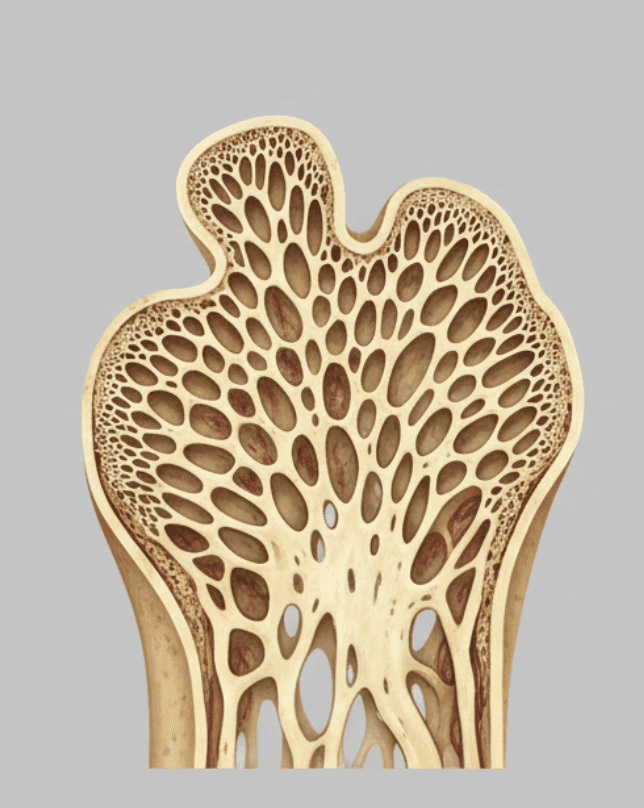
Healthy Bone
Dense structure — can withstand everyday forces without breaking
- Thick cortical shell
- Dense inner lattice
- Strong & resilient
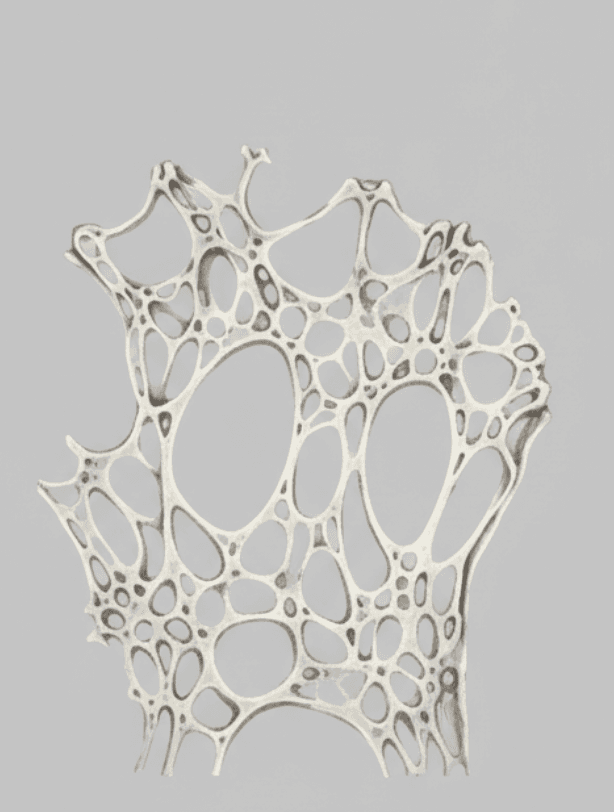
Osteoporotic Bone
Porous, fragile — may break from a minor fall or bump
- Thin, weakened shell
- Large holes form throughout
- Fracture risk greatly increased
Your guide to better bone health
Whether you want to take preventative action or have just been diagnosed, start here.
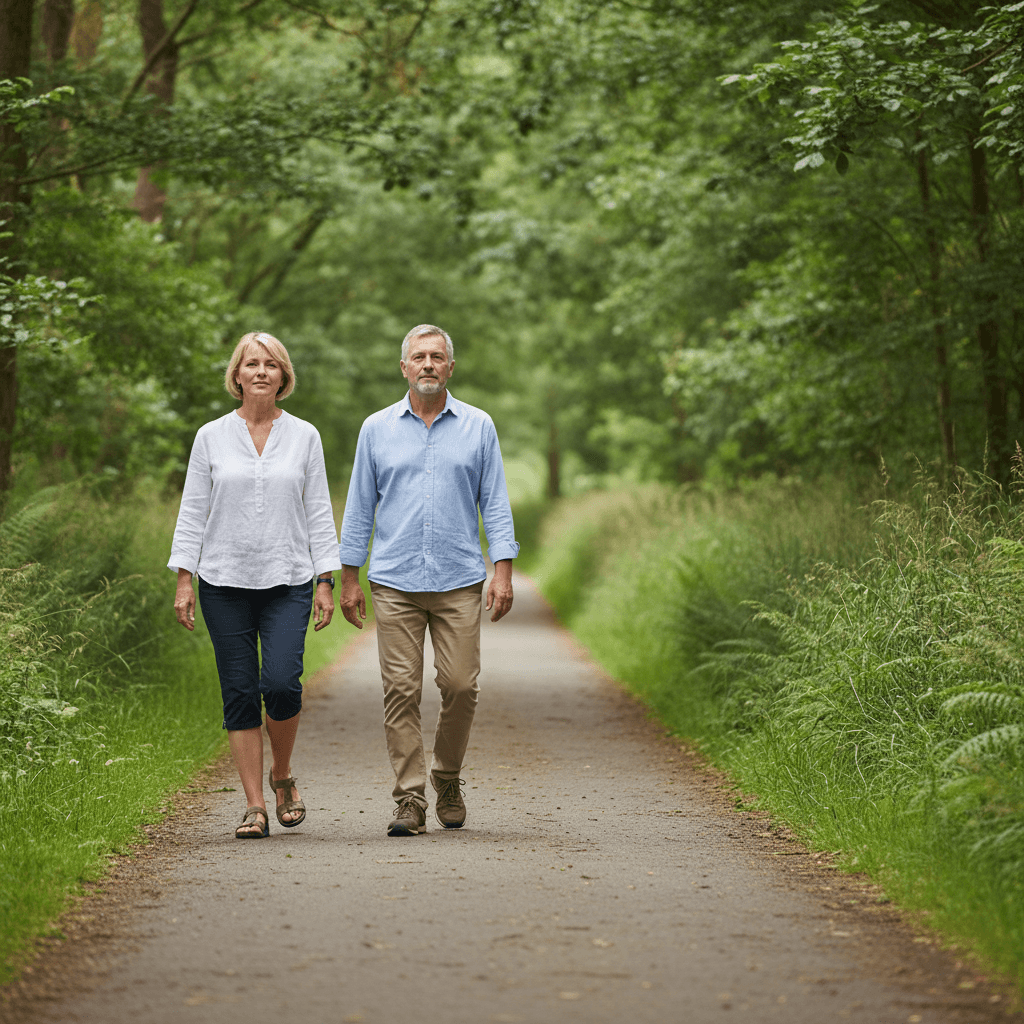
Understand It
Learn what osteoporosis is, how bone density changes with age, and what puts you at higher risk.
About Osteoporosis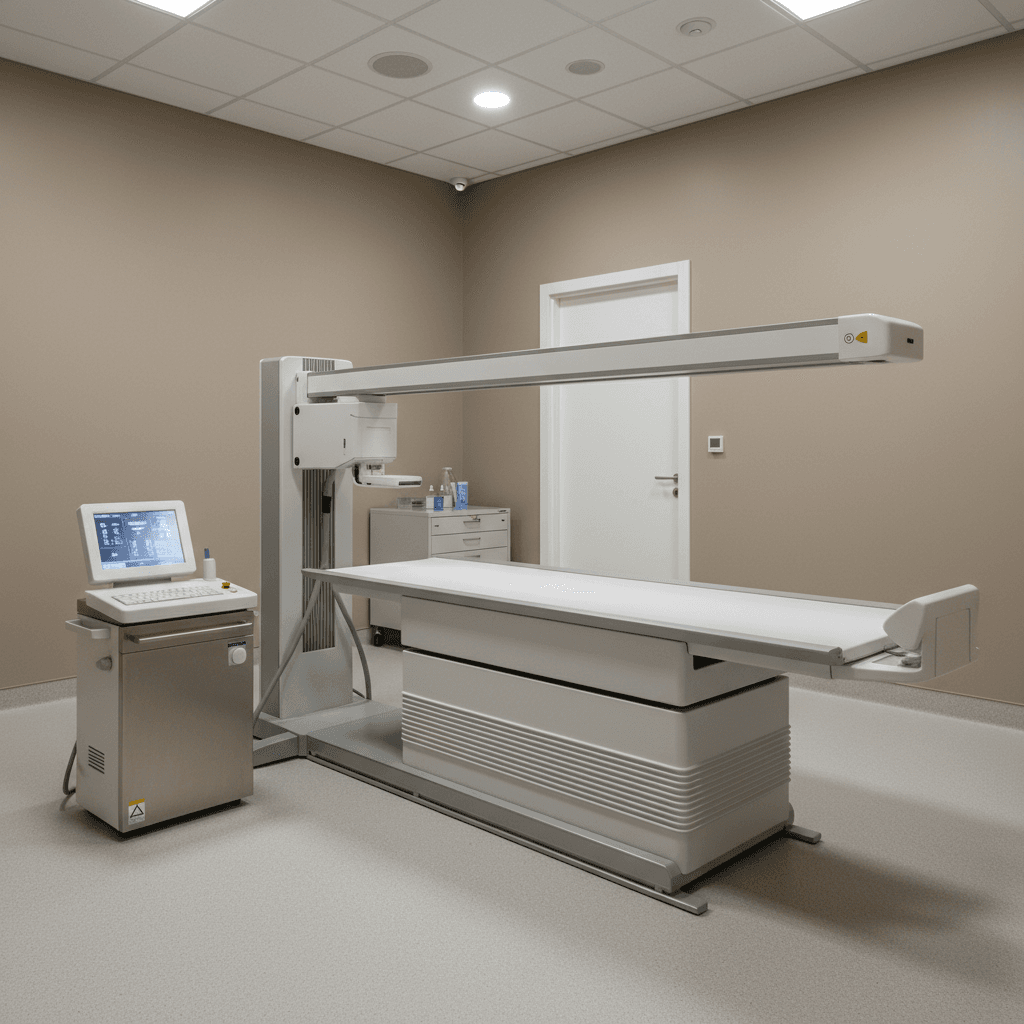
Test for It
Find out about DXA scans — what they involve, how to get referred in Ireland, and how to understand your T-score.
Bone Density & Testing
Manage It
From nutrition and exercise to treatment options and falls prevention — practical steps you can take today.
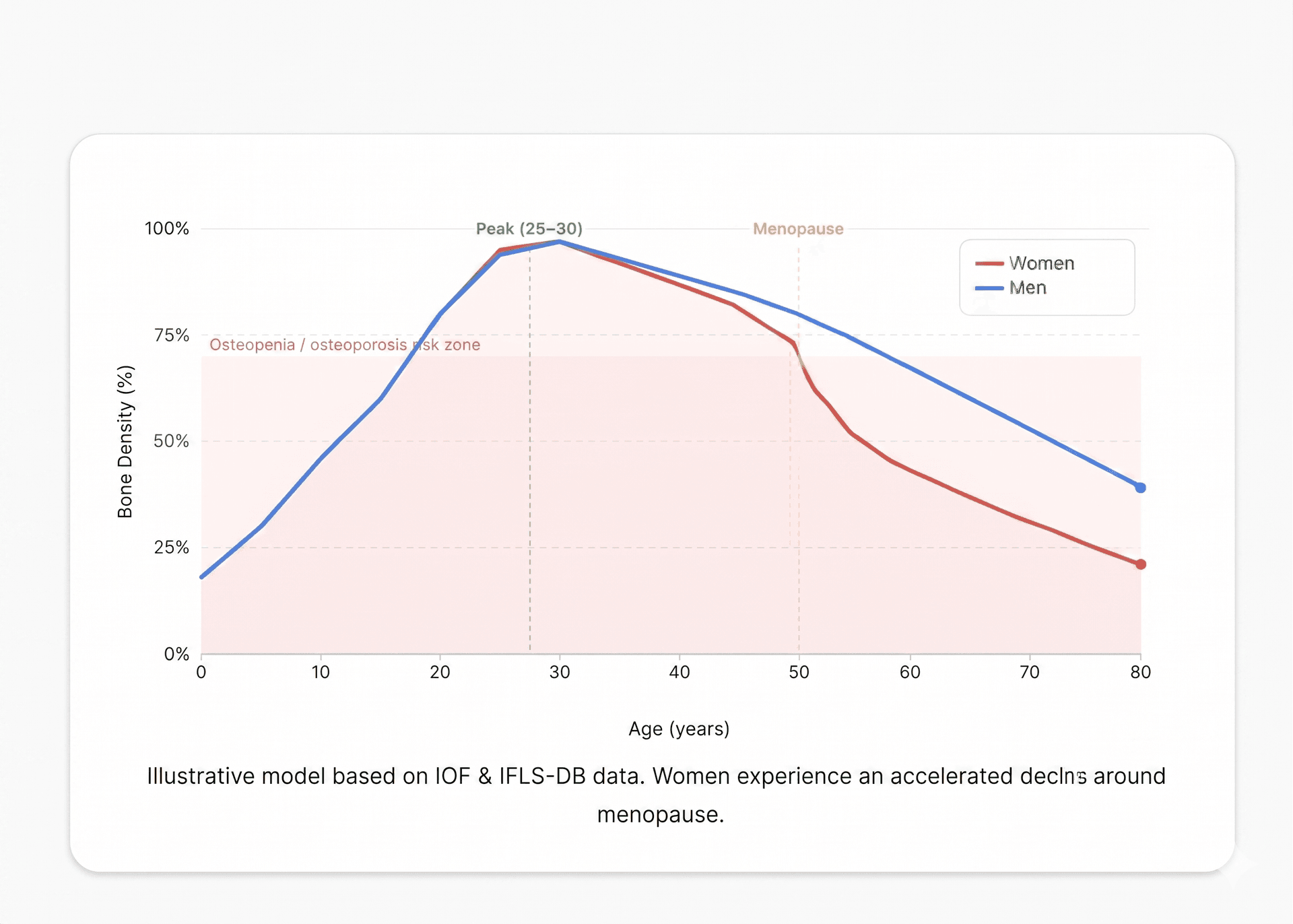
Prevention & Living WellHow Bone Density Changes Over Your Lifetime
Bone is living tissue, constantly being broken down and rebuilt. Mass peaks between ages 25–30, then gradually declines. For women, menopause triggers a steeper, faster loss — up to 20% in the first 5–7 years.
The chart shows why early action matters: the higher your peak bone mass and the slower your rate of loss, the lower your lifetime fracture risk.
Peak bone mass (age 25–30)
The ceiling you're protecting against future loss
Menopause (age ~50)
Oestrogen drop accelerates bone loss in women
Osteoporosis risk zone
Below 70% — where fracture risk rises sharply
Why Bone Health Matters
A person reaches their bone peak bank between the ages of 25 to 30. (This is when your bone density is at its peak).

Bone Density Testing
DXA scans detect bone loss before fractures occur

Nutrition & Calcium
Diet is the foundation of strong bones
Exercise & Activity
Weight-bearing exercise builds and maintains bone
What is a Fragility Fracture?
A fragility fracture is a broken bone caused by a force that would not normally break a healthy bone — such as a minor fall, a bump, or even everyday activities like coughing or bending.
They are most common at the hip, spine, and wrist, and are often the first visible sign of osteoporosis. Sustaining a fragility fracture doubles your future fracture risk.
Ireland Statistics
20,000
fractures per year in Ireland
74%
of patients not on treatment at first fracture
Source: IFLS-DB 2024

Most Irish Adults Are Deficient in Vitamin D
Ireland's latitude and climate means sunlight is often insufficient for adequate Vitamin D synthesis. Studies show the average Vitamin D level in Irish elderly adults is 37.1 nmol/L — well below the 50 nmol/L sufficiency threshold.
Vitamin D is essential for calcium absorption and bone mineralisation. Supplementation is recommended for most Irish adults, especially from October to April.
Vitamin D in Ireland
Key Fact
Older skin produces 4× less Vitamin D from sunlight
Supplementation fills the gap year-round

Recommended daily calcium (adults 50+)
Average intake: 600–700 mg/day — only 54% of target
The Calcium Gap in Irish Adults
The skeleton stores 99% of the body's calcium. When dietary intake falls short, the body extracts calcium from bone — directly accelerating bone loss.
Studies show most Irish adults aged 50+ consume only 600–700 mg/day, well below the recommended 1,000–1,200 mg/day. Bridging this gap through diet and supplementation is one of the most effective steps you can take.
Daily Calcium Targets (IOF 2025)
Explore by topic
From the Blog
Latest Articles
About This Resource
FragilityFracture.ie is an independent educational resource for people in Ireland. All content is written in plain English and reviewed against current clinical guidelines (HSE, NICE, International Osteoporosis Foundation).
We are not affiliated with any pharmaceutical company and do not recommend specific products or brands. This site does not provide medical advice — always speak to your doctor.
Concerned about your bones?
If you're worried about osteoporosis, have had a fracture, or have risk factors, your doctor is your first port of call. Bone density testing (a DXA scan) is the only way to diagnose osteoporosis.
“Ask your doctor about a bone density (DXA) scan.”
Medical Disclaimer: This site provides educational information only and does not constitute medical advice. Always consult your doctor or qualified healthcare provider.